
TRANSCRANIAL OBERSERVATIONAL NETWORK
FOR HYDROCEPHALUS INVESTIGATION
Improving quality of life for hydrocephalus patients of all ages.
Human Centered Science
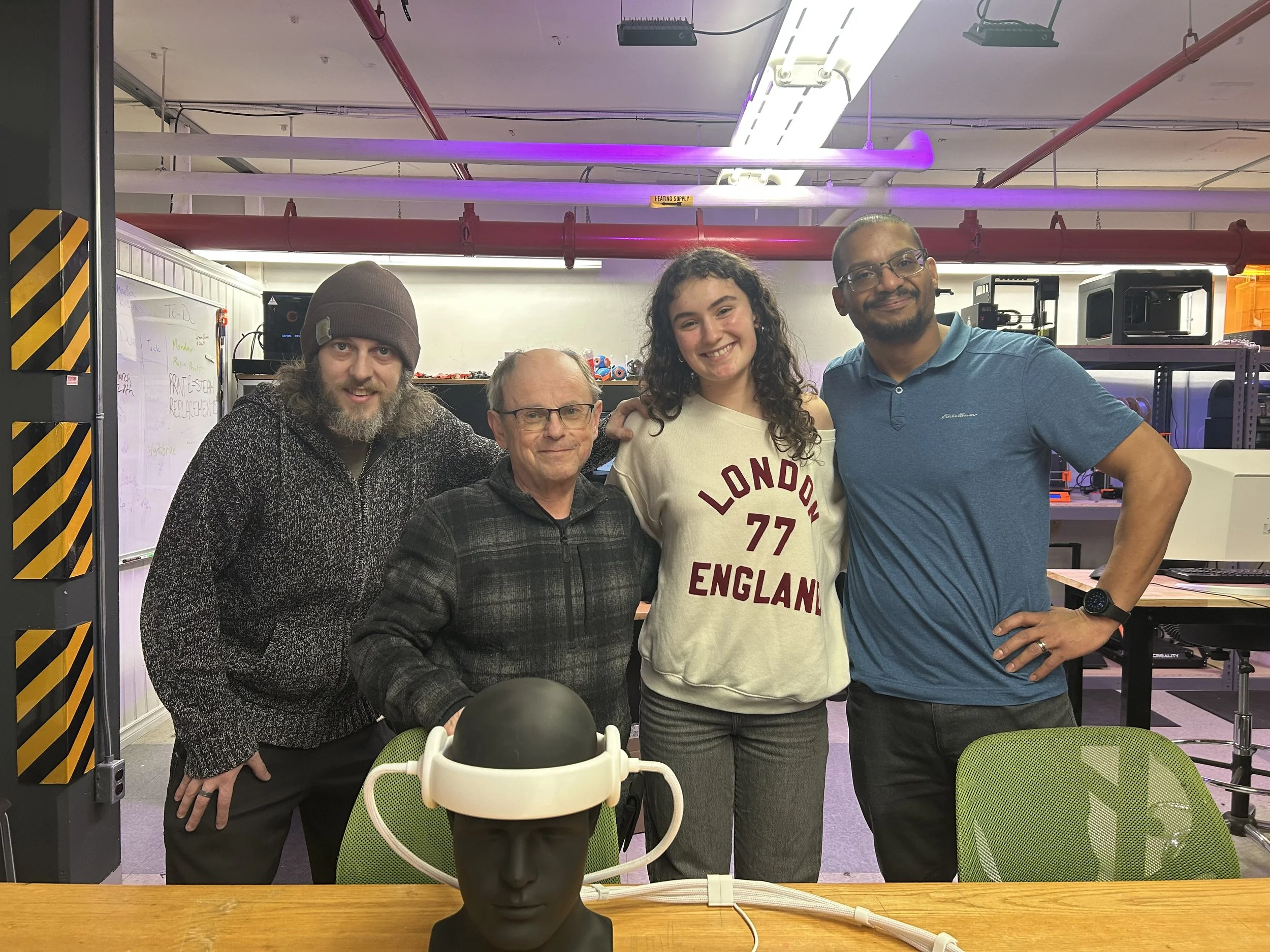
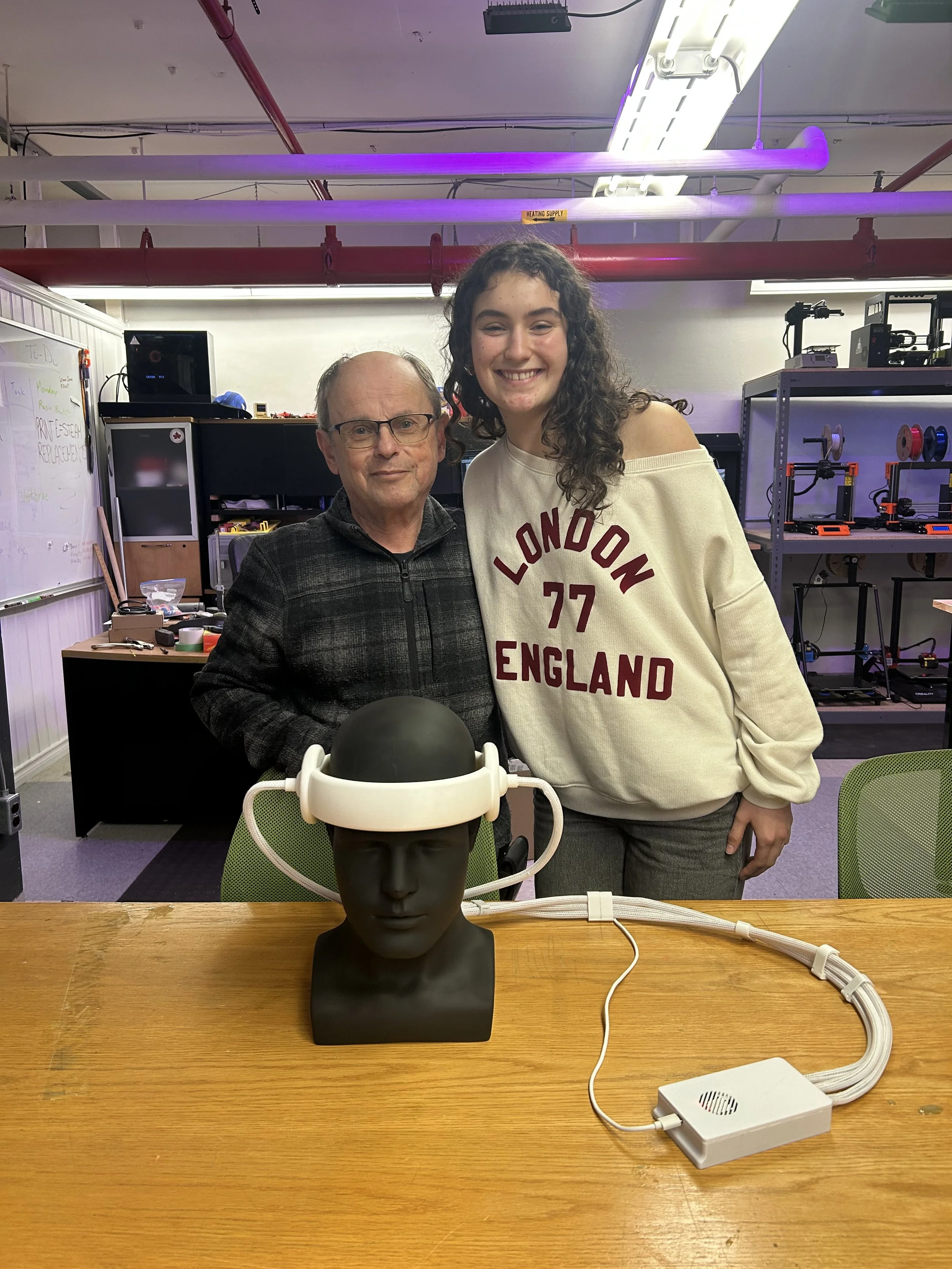
This is Tohni
Proud guest speakers at Hydrocephalus Canada Annual General Meeting 2026
Poster Presentation at The 31st International Conference on Spina Bifida and Hydrocephalus
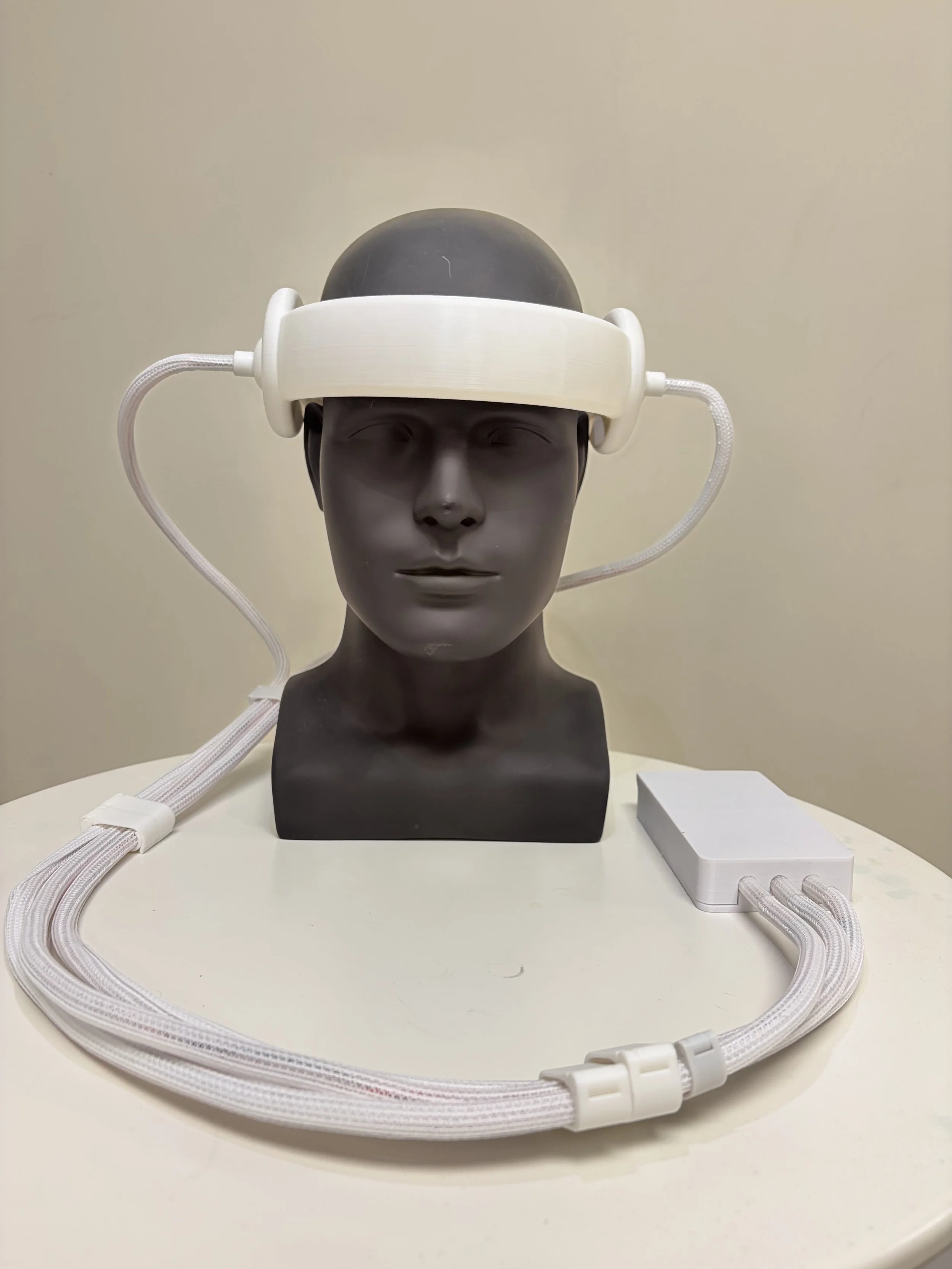
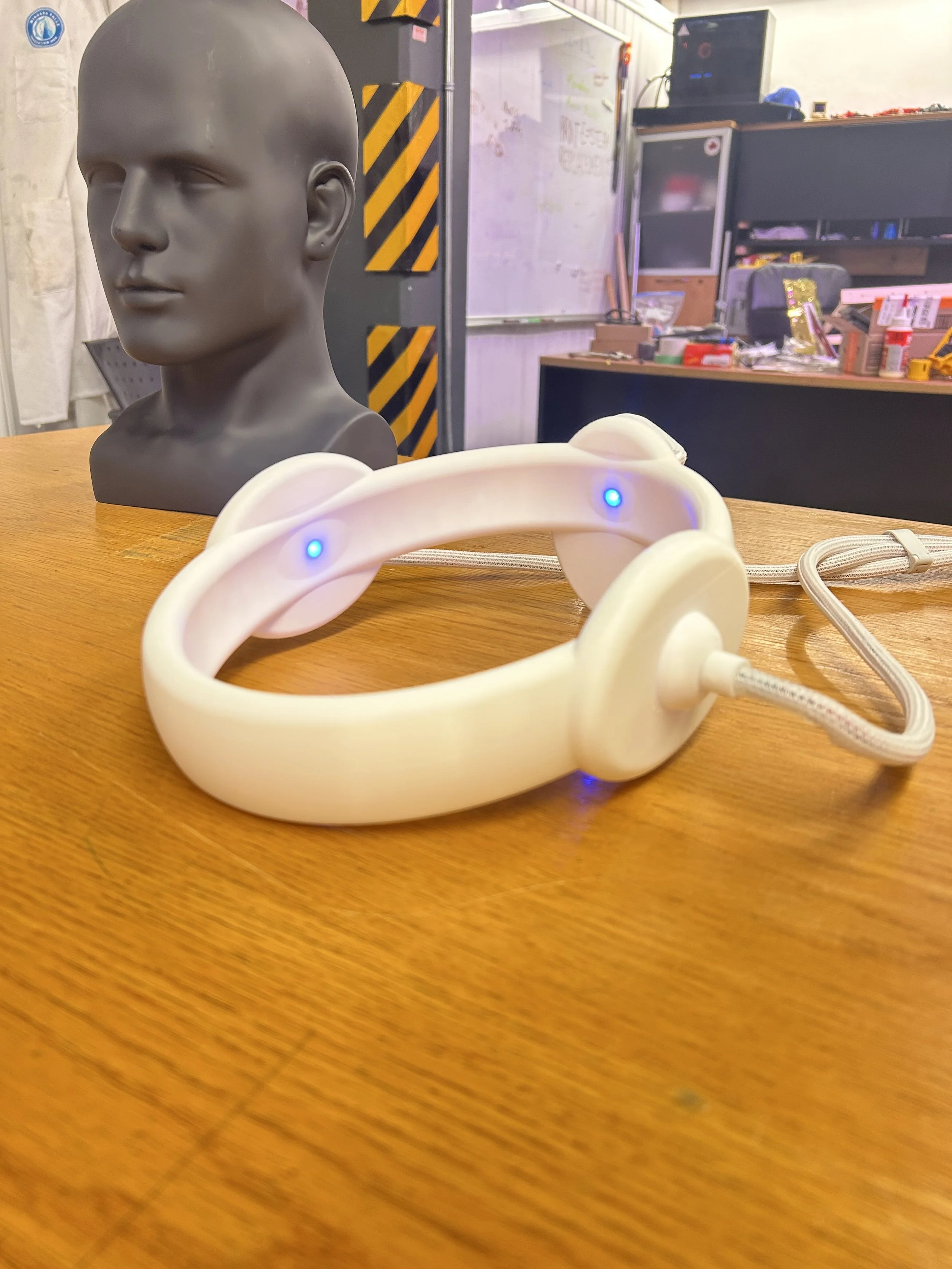
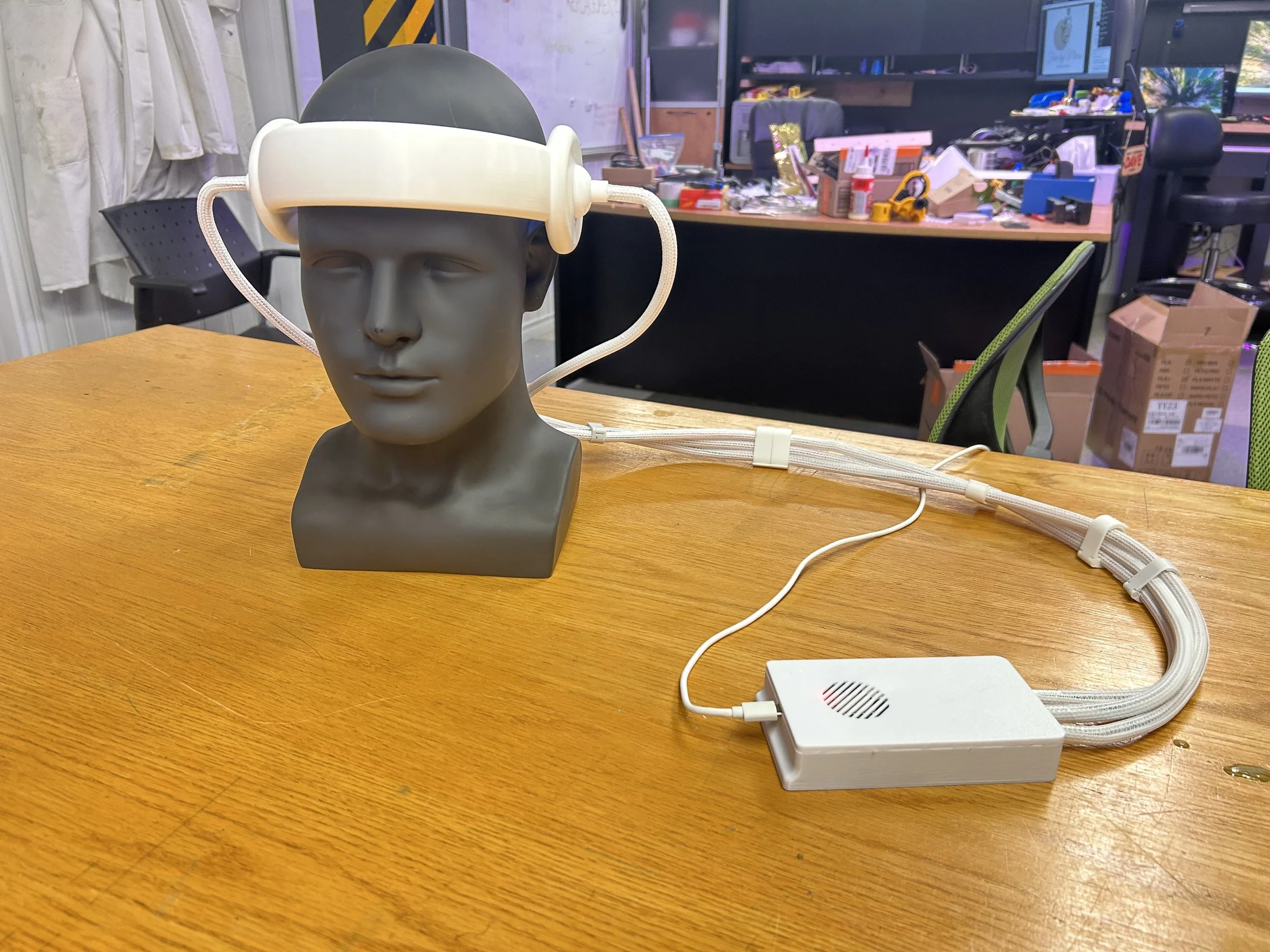
Prototype
Technical Specifications
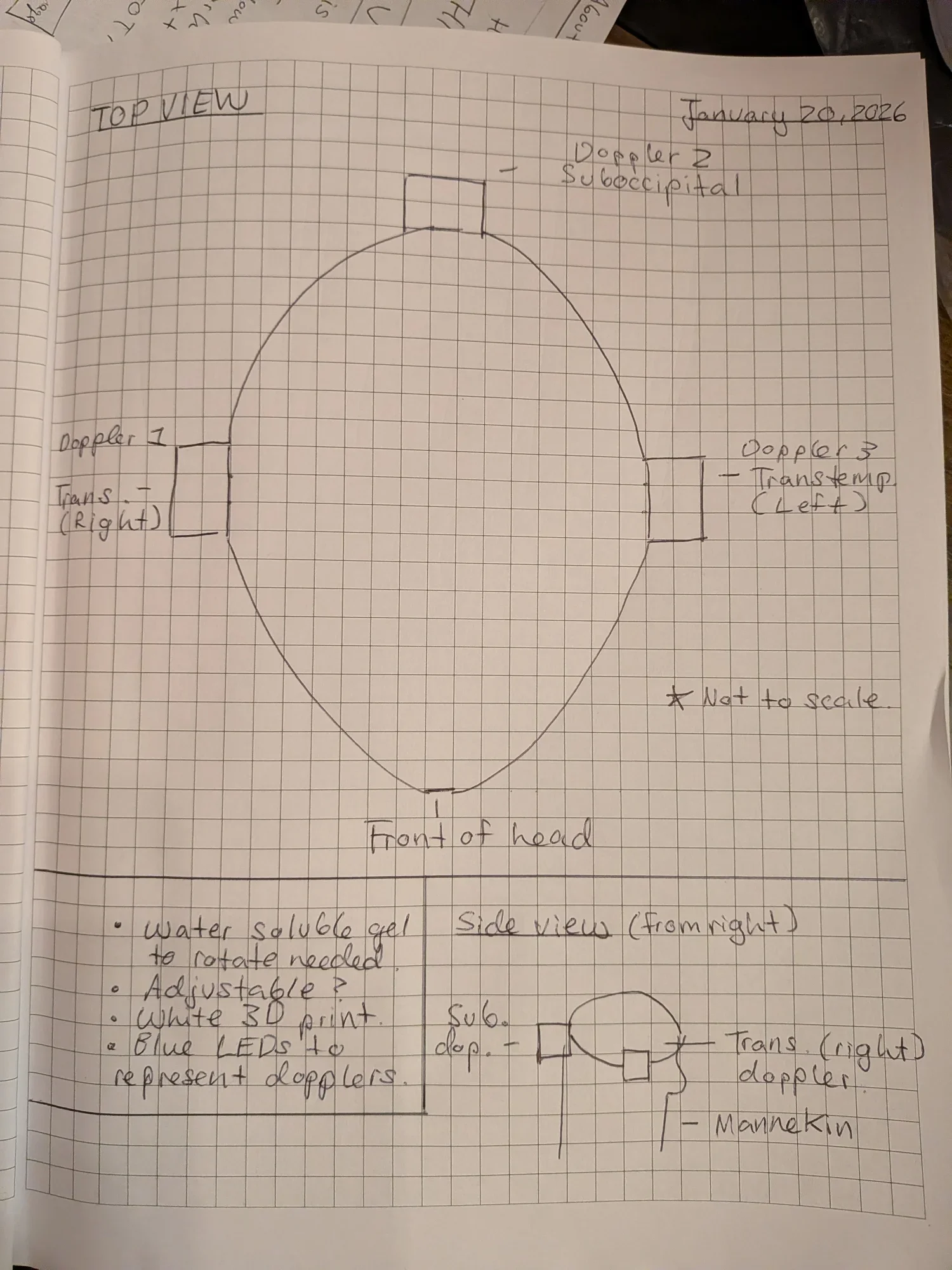
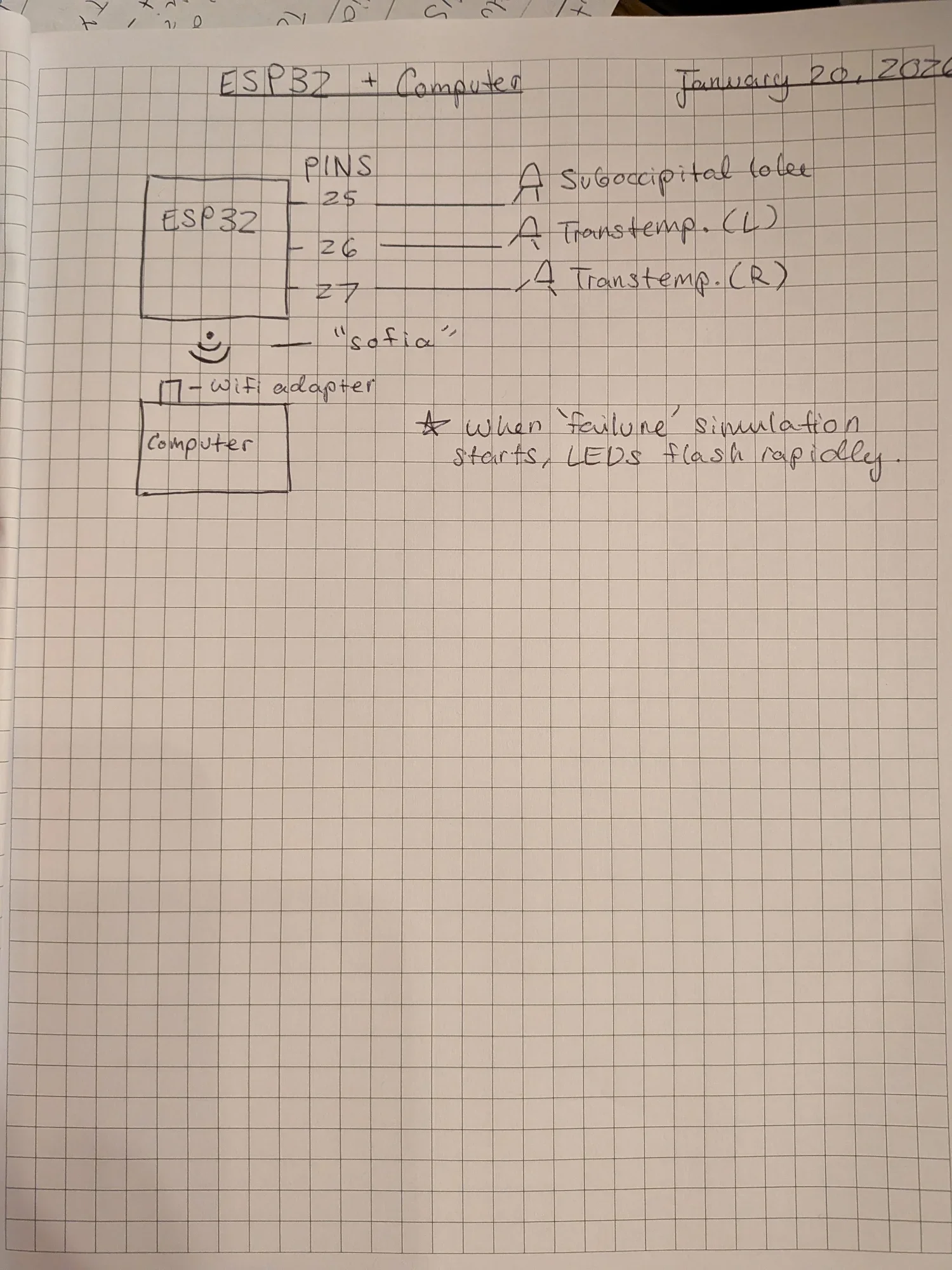
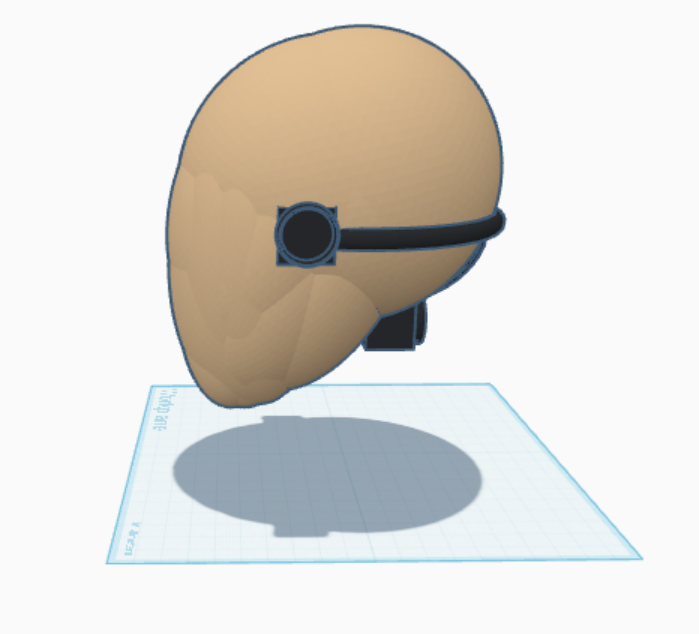
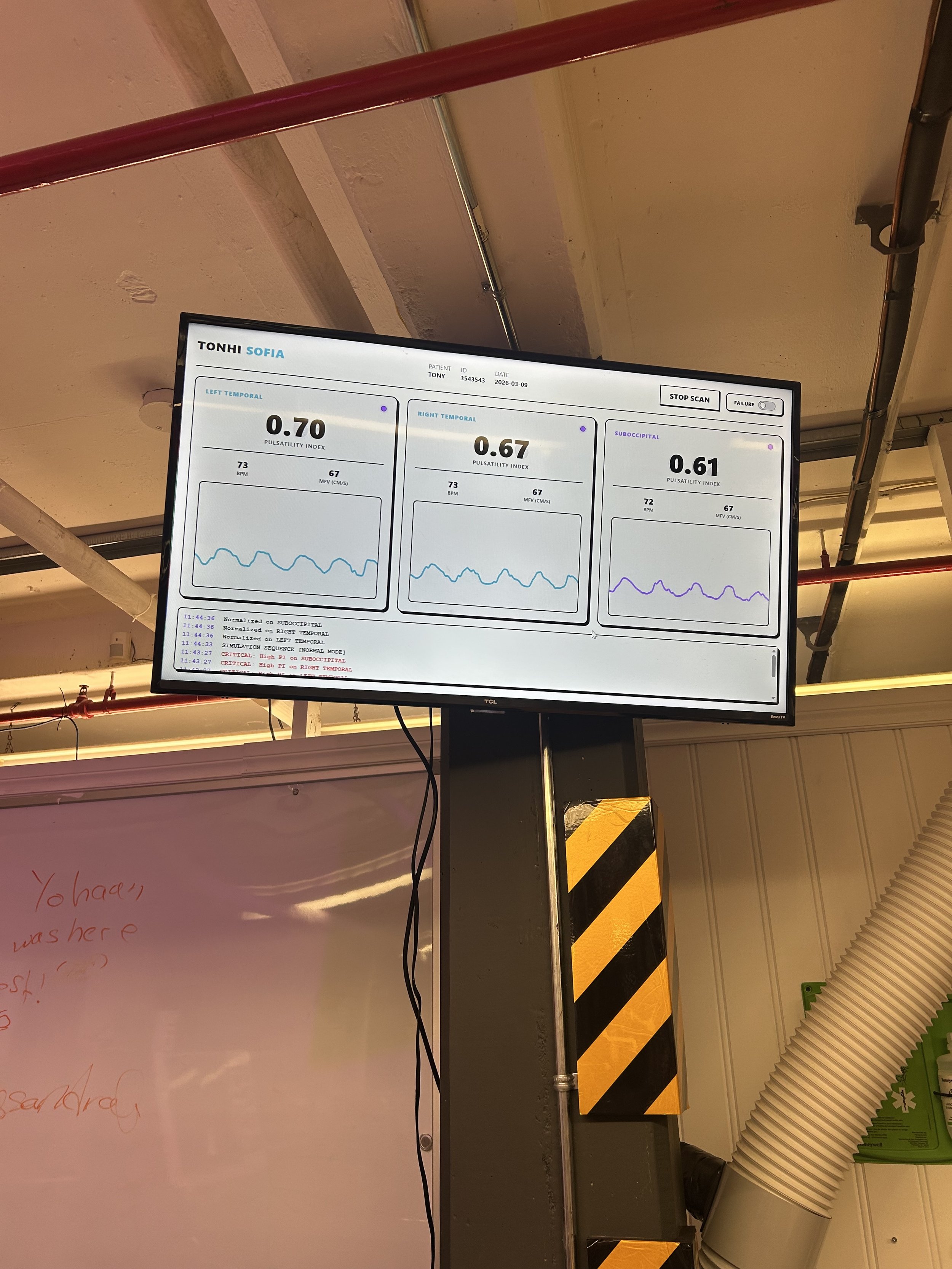
With the TONHI technology, it is possible to read intracranial pressure to predict whether or not a symptom is telling of a hydrocephalus ‘episode’. Instead of focusing on precautionary technology for the condition, TONHI strives to create a reliable, life-saving reactionary device that will quickly tell them if they are in need of another shunt replacement. To accomplish this, TONHI uses transcranial doppler ultrasounds to gather information used to calculate pressure and transmits the information into an app; if the pressure is above the patient’s baseline and they are experiencing symptoms, medical attention is required.
Transcranial Dopplers
Transcranial ultrasound dopplers will be placed at both transtemporal lobes and the suboccipital lobe of the patient to capture blood flow information and intracranial pressure.
01
Mobile App
Once the patient has used TONHI, they will get immediate results in a mobile app as waveforms. This is will show them if there has been an intracranial pressure increase.
02
Although one can develop hydrocephalus at any age, Tony Gazzellone was born with congenital hydrocephalus in a time where medical treatment and understanding of the condition were limited. Born in 1960, Tony was diagnosed with hydrocephalus at age 7. At the time, he and his family were living in Italy, and the treatment, or shunt insertion, had about a 30% success rate and a steep price (Ransohoff et. al). His mother moved them to Canada where the success rates were slightly higher, and he got his first shunt. Now, having survived nine shunt replacement surgeries, Tony lives to care for his family, and lead a fulfilling life. Inspired by Tony’s story, we are determined to create a product that will not only improve the quality of life for all hydrocephalus patients, but also shed more light on a condition that has been out of the medical research spotlight for far too long.
Impact
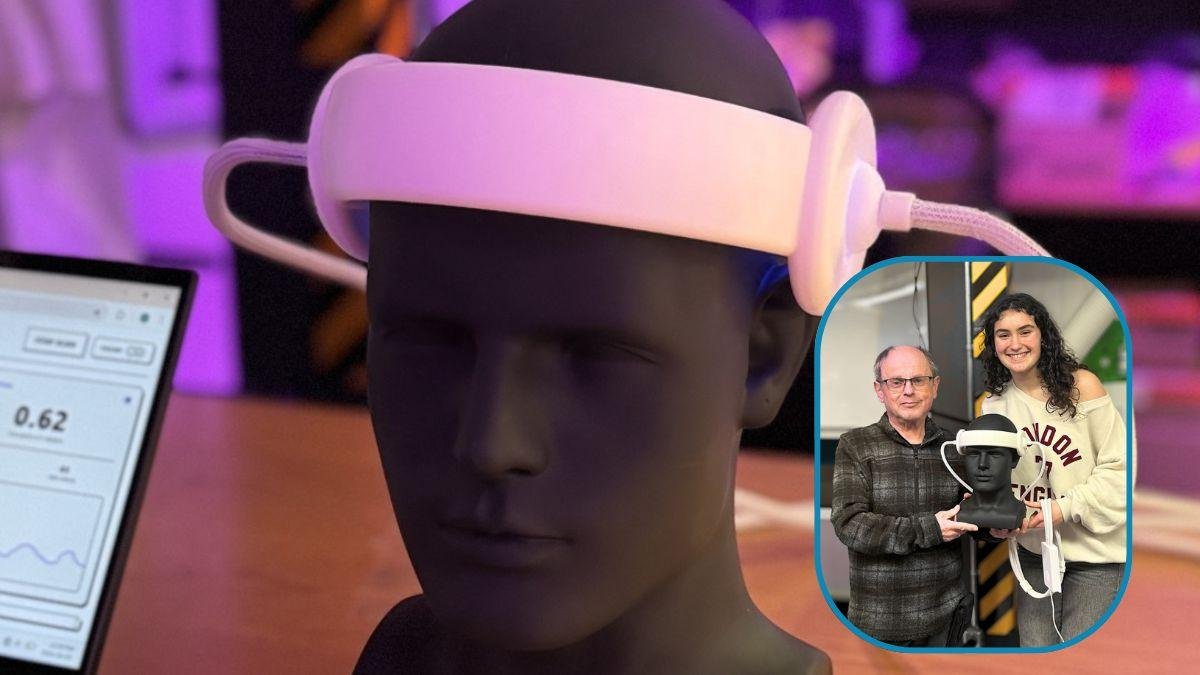
Sofia’s TONHI Innovation: A Life-Saving Science Project
Niagara Falls Innovation Club | March 14, 2026